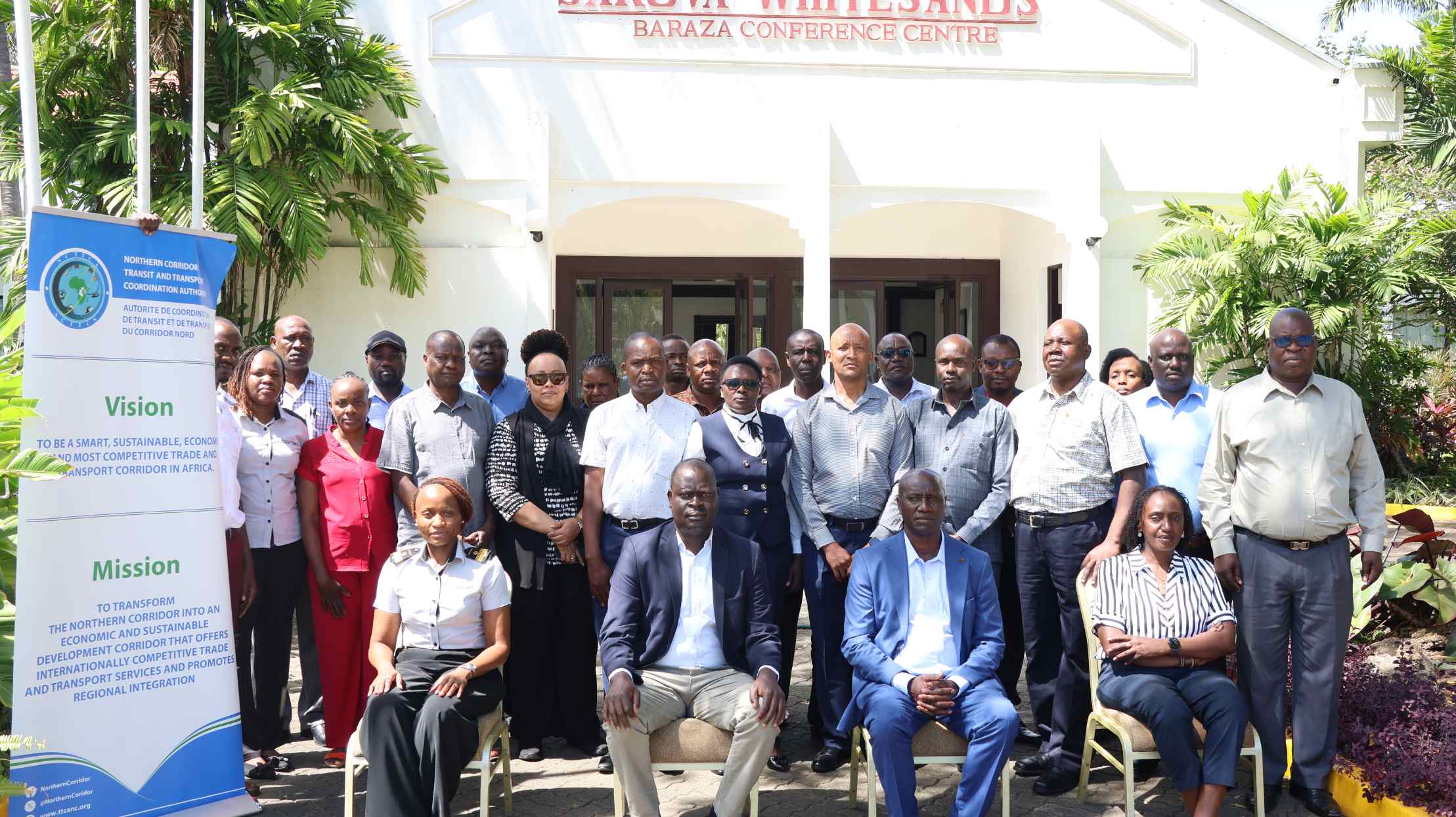

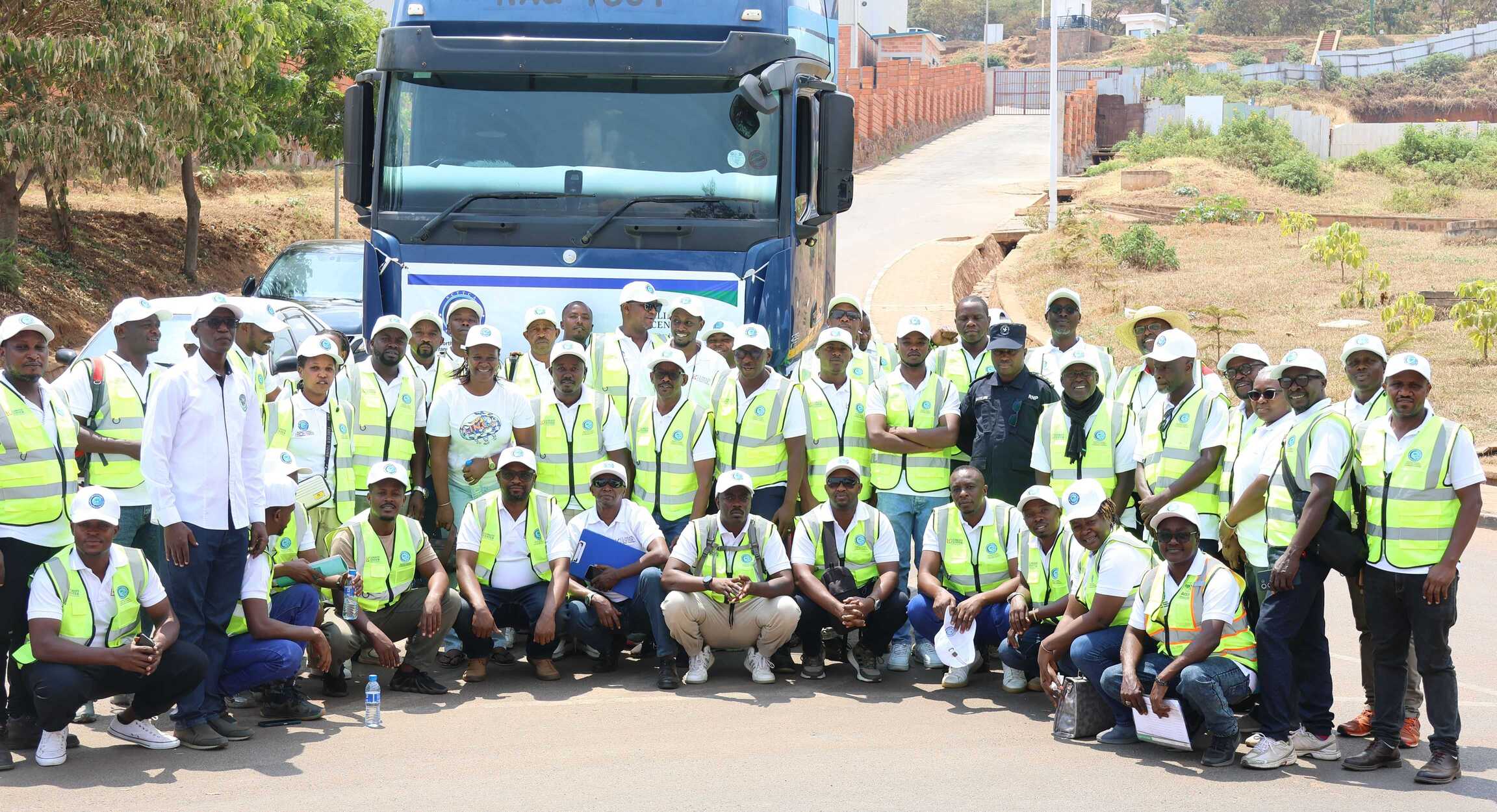
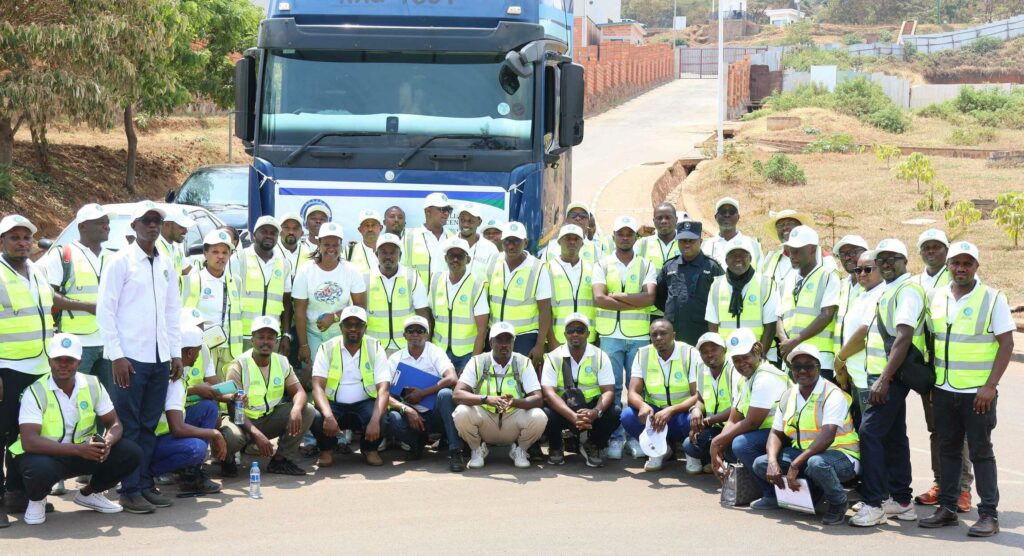
Kigali, Rwanda — The Northern Corridor Transit and Transport Coordination Authority (NCTTCA) concluded a four-day Eco-Driver Training and Sensitization Workshop on Greenhouse Gas (GHG) Emissions in Kigali, Rwanda, as part of ongoing efforts to promote cleaner, safer and more efficient freight transport along the Northern Corridor.
The training brought together truck drivers, fleet managers, transport operators, policymakers, regulators and other key stakeholders to strengthen awareness of the environmental and climate impacts of freight transport while equipping drivers with practical skills to improve fuel efficiency, road safety and environmental performance.
The initiative supports implementation of the Northern Corridor Green Freight Strategy 2030, which targets a 10% improvement in fuel efficiency, a 10% reduction in CO₂ emissions intensity, and a 12% reduction in particulate matter, black carbon and nitrogen oxide (NOx) emissions by 2030.
Turning Eco-Driving Knowledge into Practice
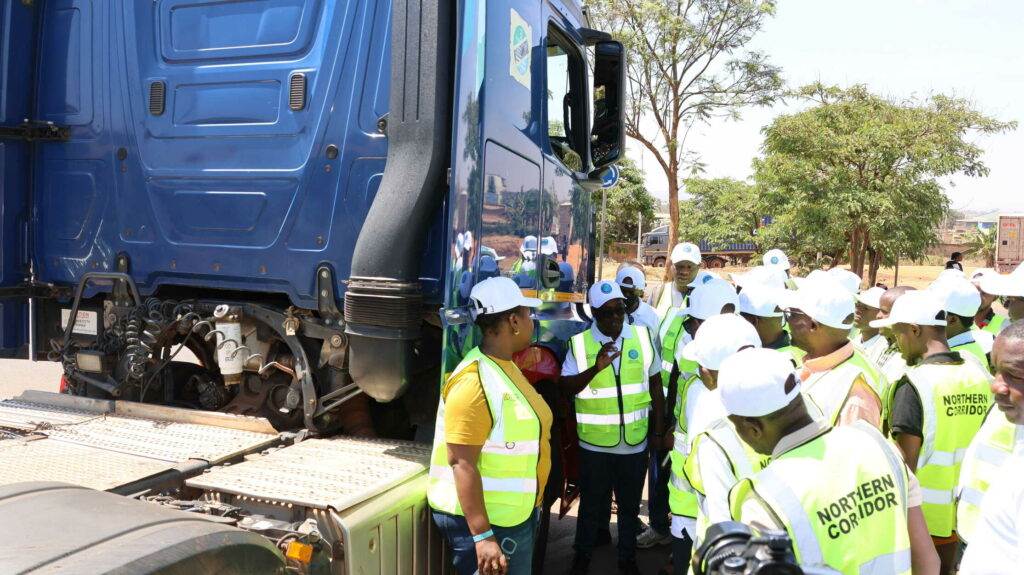
The programme combined classroom-based learning with practical on-road training, allowing participating drivers to translate technical knowledge into everyday driving practices.
Drivers were trained in eco-driving and defensive driving techniques including smooth acceleration and braking, optimal gear shifting, appropriate speed management, anticipation of road and traffic conditions, vehicle handling and fuel-efficient driving practices. These techniques can contribute to reduced fuel consumption, lower vehicle wear and maintenance costs, improved road safety and reduced carbon emissions.
The practical component of the programme was particularly important in demonstrating that reducing emissions from freight transport does not depend solely on introducing new vehicle technologies. Changes in driver behaviour and day-to-day vehicle operation can also generate measurable environmental and operational benefits.
Participating drivers acknowledged the importance of this behavioural shift. Cross-border truck driver Jacqueline Dushimirimana, who transports cargo between Kigali and regional destinations including Mombasa and Dar es Salaam, said the programme had increased drivers’ awareness of their contribution to air pollution.
“We were made aware… that we were among the people contributing to air pollution.”
Following the training, Dushimirimana said she would pay greater attention to engine operation, speed management and fuel use as part of efforts to reduce the environmental impact of her work.
Twizeyimana Abdalah, a truck driver with Trinity Logistics operating along routes connecting Rwanda with Mombasa, Dar es Salaam and Uganda, similarly highlighted the relationship between fuel-efficient driving and environmental protection. He noted that reducing fuel wastage and practices that produce excessive smoke can benefit not only the environment but also transport companies through lower operating costs.
Tackling Freight Transport Emissions
The programme comes as NCTTCA continues to strengthen implementation of its Green Freight Strategy and work with Member States and stakeholders to reduce emissions generated by the regional freight transport sector.
A 2024 baseline assessment covering selected Northern Corridor routes in Kenya, Uganda and Rwanda estimated total road-freight emissions at approximately 3.76 million tonnes of CO₂ equivalent, with Rwanda accounting for about 340,000 tonnes.
In Rwanda, the Kigali–Rusizi route accounted for a particularly significant share of emissions recorded on the routes assessed, highlighting the need for targeted interventions combining improved driving behaviour, vehicle efficiency, cleaner technologies and stronger stakeholder collaboration.
Jescah Indangasi, NCTTCA Deputy Director for Transport Policy and Planning, emphasized the scale of the ambition under the Green Freight Strategy, stating that “the target is to reduce greenhouse gas emissions by at least 10% by 2030.”
Achieving this target will require coordinated action involving governments, transport operators, drivers, regulators and other stakeholders across the freight transport value chain.
From Training to Action
As the Kigali workshop concluded, participants were encouraged to transform the knowledge and practical skills acquired during the programme into everyday driving practices.
The training demonstrated that seemingly simple decisions behind the wheel ; from acceleration and braking to gear selection, speed management and anticipation can collectively make a significant contribution to reducing fuel consumption and emissions while improving road safety and lowering vehicle operating costs.
Through initiatives such as the Eco-Driver Training and Sensitization Programme, NCTTCA continues to advance implementation of the Northern Corridor Green Freight Strategy 2030 and strengthen collaboration with Member States and industry stakeholders towards a freight transport system that is safer, greener, more efficient and sustainable.
The initiative forms part of the Northern Corridor’s broader transition towards low-carbon freight transport and its long-term ambition to develop an environmentally sustainable and competitive trade and transport corridor serving the region.
Julien Astrida Nkurikiyinka.