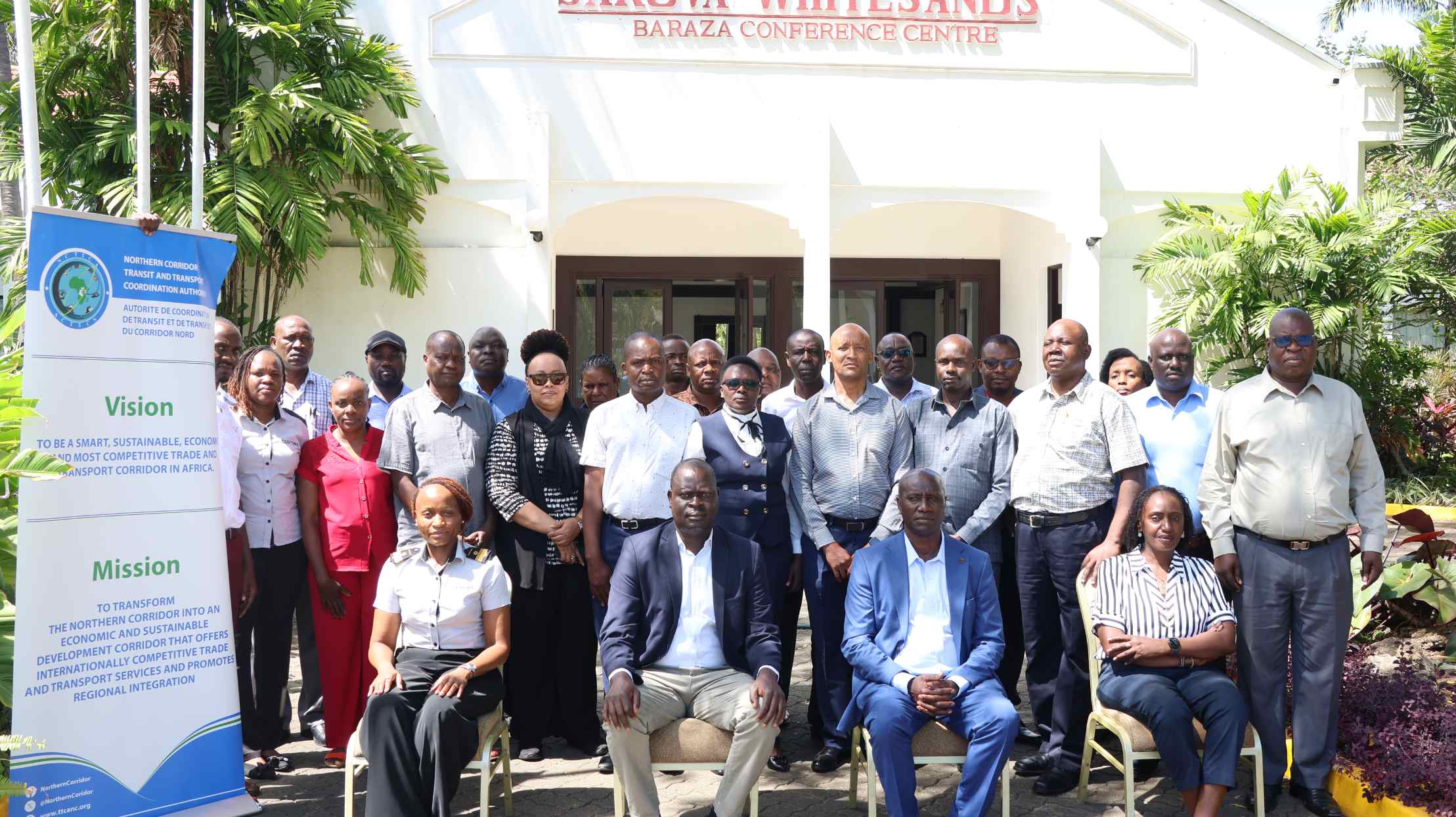

Mombasa, Kenya | 21-24 October 2026 — The Northern Corridor Transit and Transport Coordination Authority (NCTTCA), in partnership with the Kenya Transporters Association (KTA), Kuehne Climate Center, and Smart Freight Centre, organised a four-day capacity-building programme from 21 to 24 October 2026 in Mombasa, Kenya, aimed at promoting fuel-efficient, safe, and environmentally sustainable freight transport along the Northern Corridor.
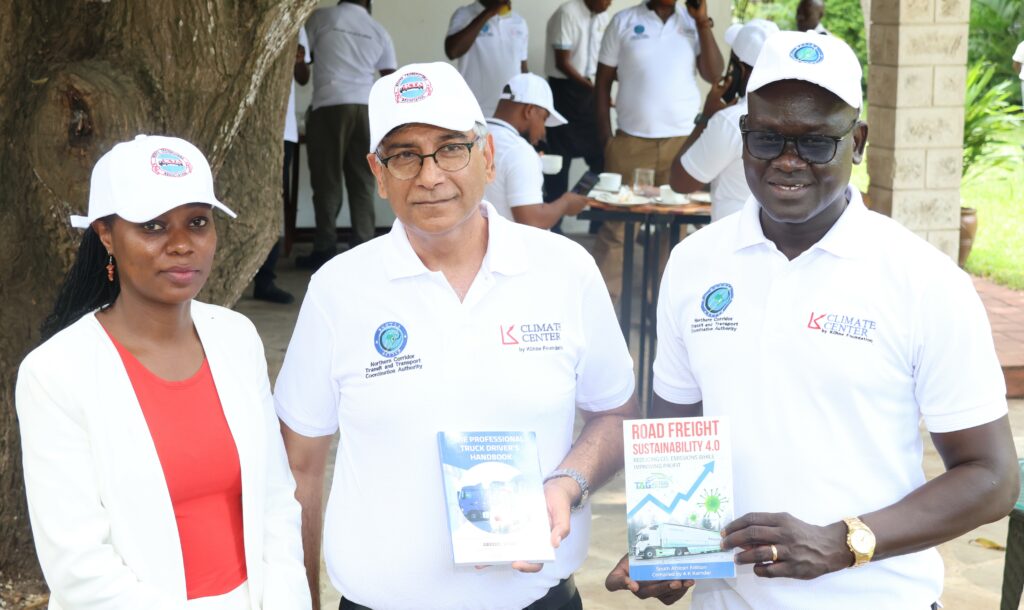
The programme brought together transport managers and Heavy Commercial Vehicle (HCV) drivers for specialised training in Smart Freight Transport Management and Eco-Driving, equipping participants with practical knowledge and skills to improve fleet efficiency, reduce operational costs, enhance road safety, and minimise the environmental impact of freight transport operations.
The initiative forms part of the implementation of the Northern Corridor Green Freight Strategy 2030 (NCGFS 2030), which targets a 10% improvement in freight fuel efficiency, a 10% reduction in carbon dioxide (CO₂) emissions intensity, and a 12% reduction in harmful air pollutant emissions by 2030.
Strengthening Transport Management for Sustainable Freight Operations
The programme commenced on 21 October 2026 with a one-day Smart Freight Training workshop targeting transport managers. The sessions focused on sustainable fleet management, energy transition in freight transport, operational efficiency, and the adoption of environmentally responsible transport practices.
Participants explored practical approaches to improving fleet performance, optimising fuel consumption, reducing operational costs, and integrating sustainability considerations into transport management decisions.
The training also emphasised the critical role of transport managers in translating knowledge into long-term operational improvements. Particular attention was given to strengthening collaboration with transport companies, establishing mechanisms for monitoring fuel consumption and emissions, and institutionalising eco-driving practices through driver induction and regular refresher training.
Equipping Drivers with Practical Eco-Driving Skills
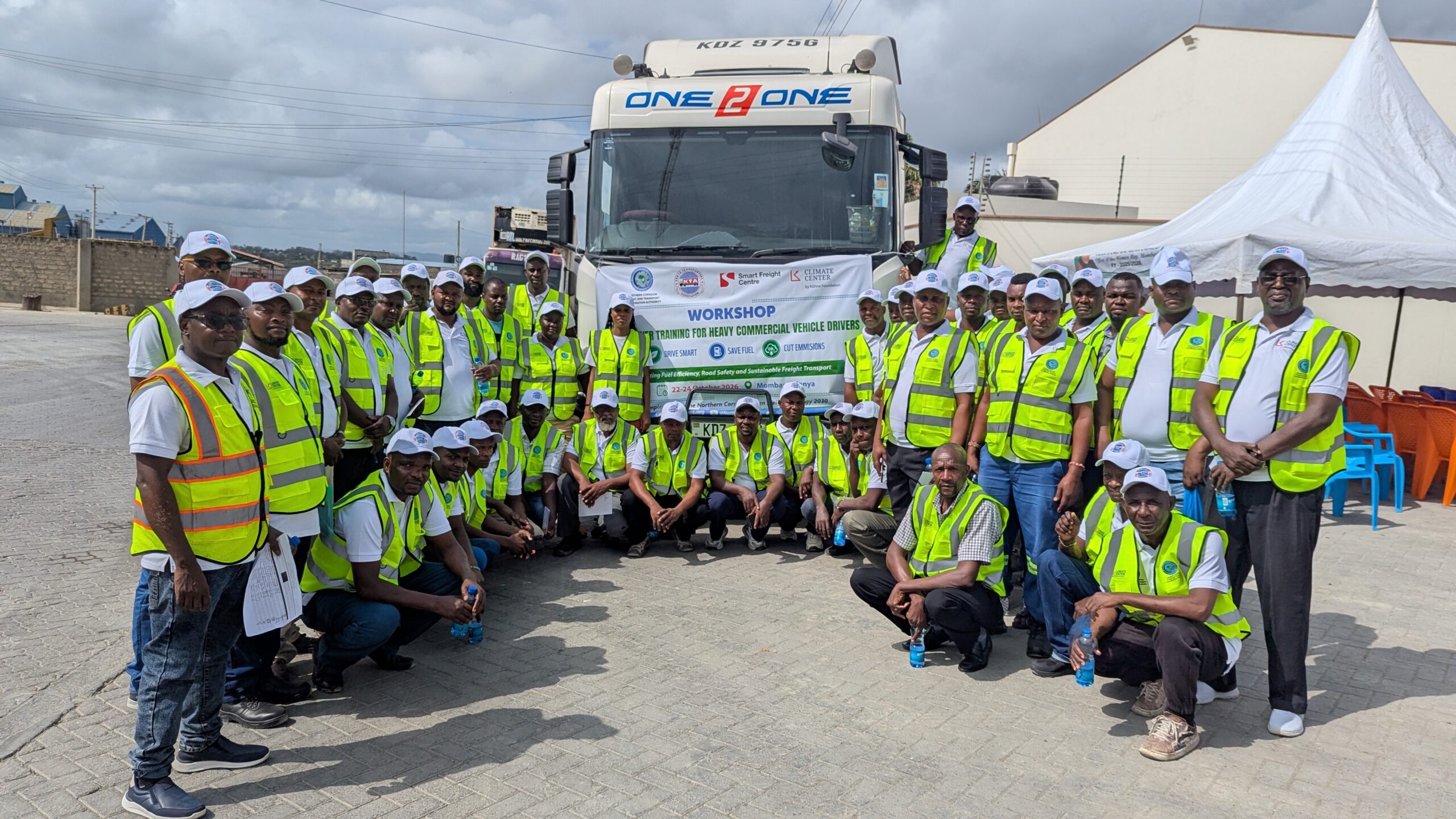
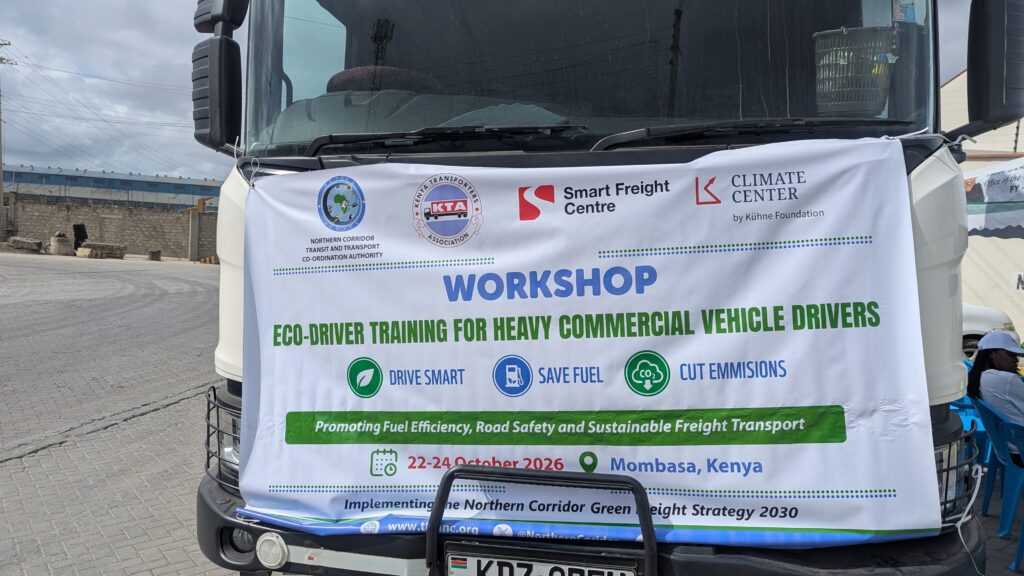
Building on the transport managers’ workshop, the programme continued from 22 to 24 October 2026 with Eco-Driving Training for Heavy Commercial Vehicle drivers, facilitated by Smart Freight Centre.
The first day focused on classroom-based learning, introducing participants to the principles and benefits of eco-driving and the important role of drivers in improving fuel efficiency, reducing emissions, and enhancing road safety.
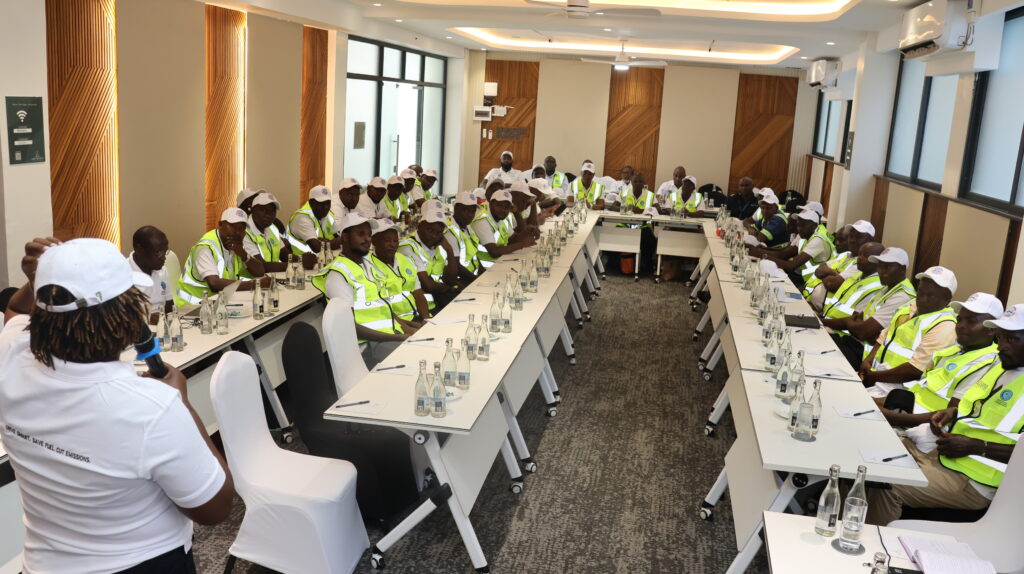
Key areas covered included fuel-efficient driving techniques, defensive driving, traffic anticipation, effective transit time management, vehicle performance optimisation, and technologies that help reduce rolling resistance.
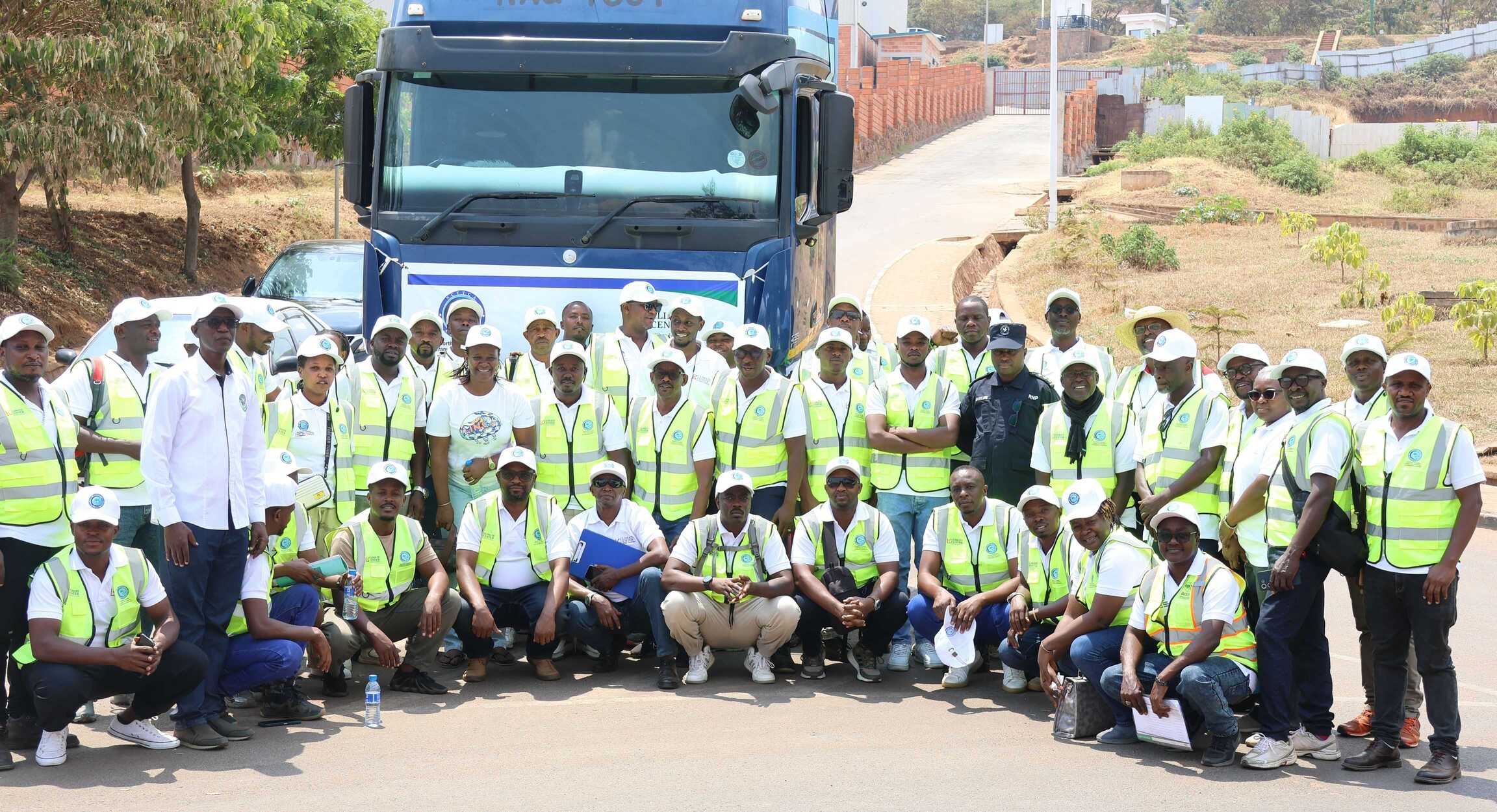
On 23 and 24 October, participants transitioned from theoretical learning to practical driving sessions, providing an opportunity to apply the knowledge acquired in real-world driving conditions. The exercises focused on safe vehicle handling, efficient acceleration and braking, traffic anticipation, and driving behaviours that minimise unnecessary fuel consumption.
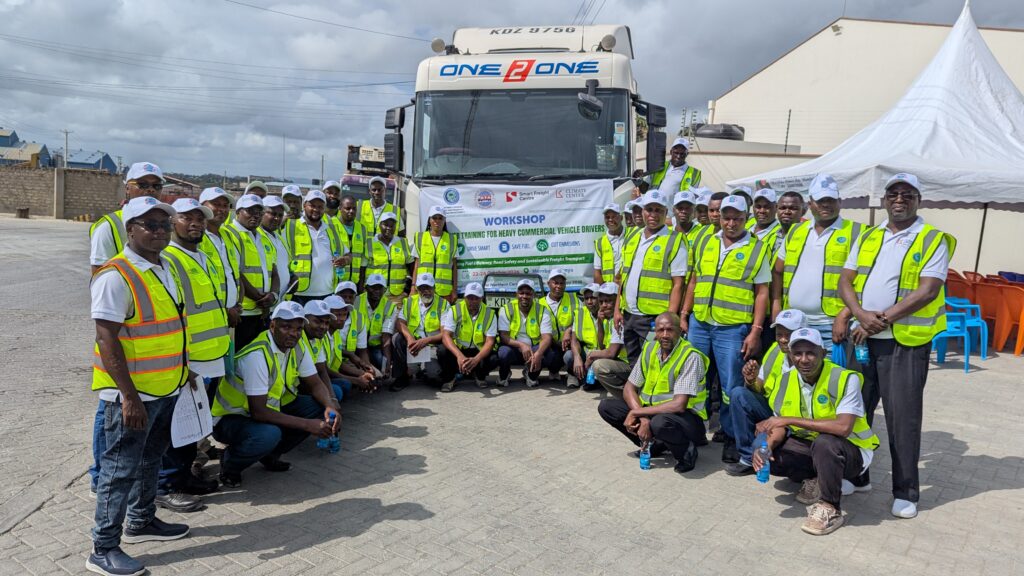
Through the combination of classroom instruction and hands-on exercises, the programme sought to empower drivers to adopt practices that contribute to reduced fuel consumption, lower transport operating costs, improved road safety, and reduced vehicle emissions.
Advancing the Northern Corridor Green Freight Strategy 2030
Freight transport plays a vital role in facilitating regional trade and economic integration along the Northern Corridor. However, improving fuel efficiency and reducing the environmental footprint of road freight operations remain important priorities for building a more sustainable and competitive transport system.
The Smart Freight and Eco-Driving Training programme represents a practical step towards addressing these priorities by strengthening the technical and operational capacities of key stakeholders in the freight transport sector.
By targeting both transport managers and drivers, the initiative promotes a coordinated approach to sustainable freight operations, ensuring that management-level decisions are complemented by improved driving practices on the road.
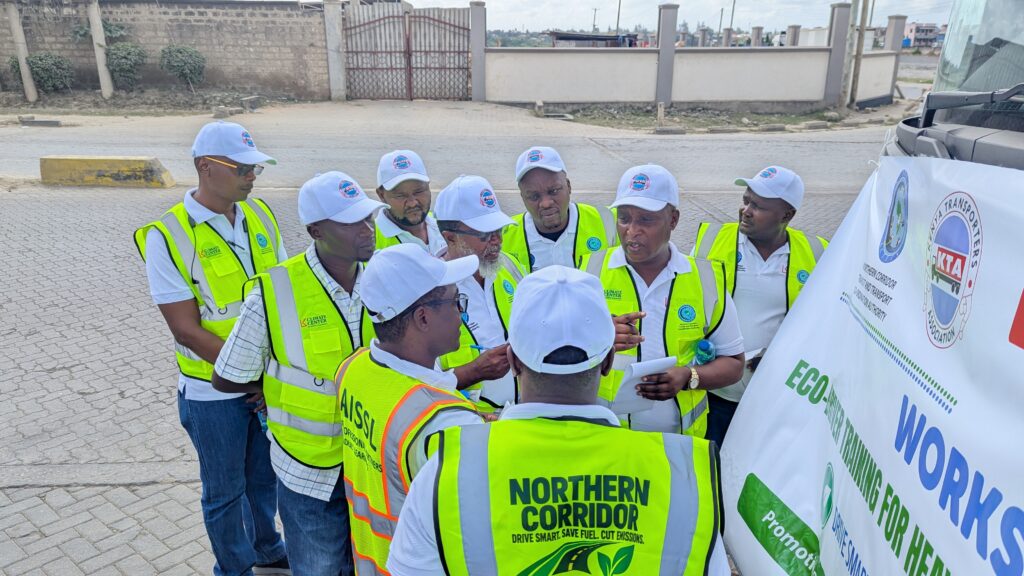
The programme also reinforces the importance of continuous capacity building, collaboration with the private sector, and the adoption of cost-effective solutions to support the implementation of the Northern Corridor Green Freight Strategy 2030.
Towards a Greener, Safer and More Competitive Northern Corridor
Through partnerships with the Kenya Transporters Association, Kuehne Climate Center, and Smart Freight Centre, NCTTCA continues to promote initiatives that strengthen transport efficiency, environmental sustainability, and road safety along the Northern Corridor.
The training underscores the Authority’s commitment to supporting the transition towards a greener and more climate-resilient freight transport system while enhancing the competitiveness of regional trade and logistics.
By equipping transport managers and drivers with the necessary knowledge and practical skills, NCTTCA and its partners are laying the foundation for sustained improvements in freight operations and contributing to a more efficient, safer, and environmentally sustainable Northern Corridor.
By: Julien Astrida Nkurikiyinka.