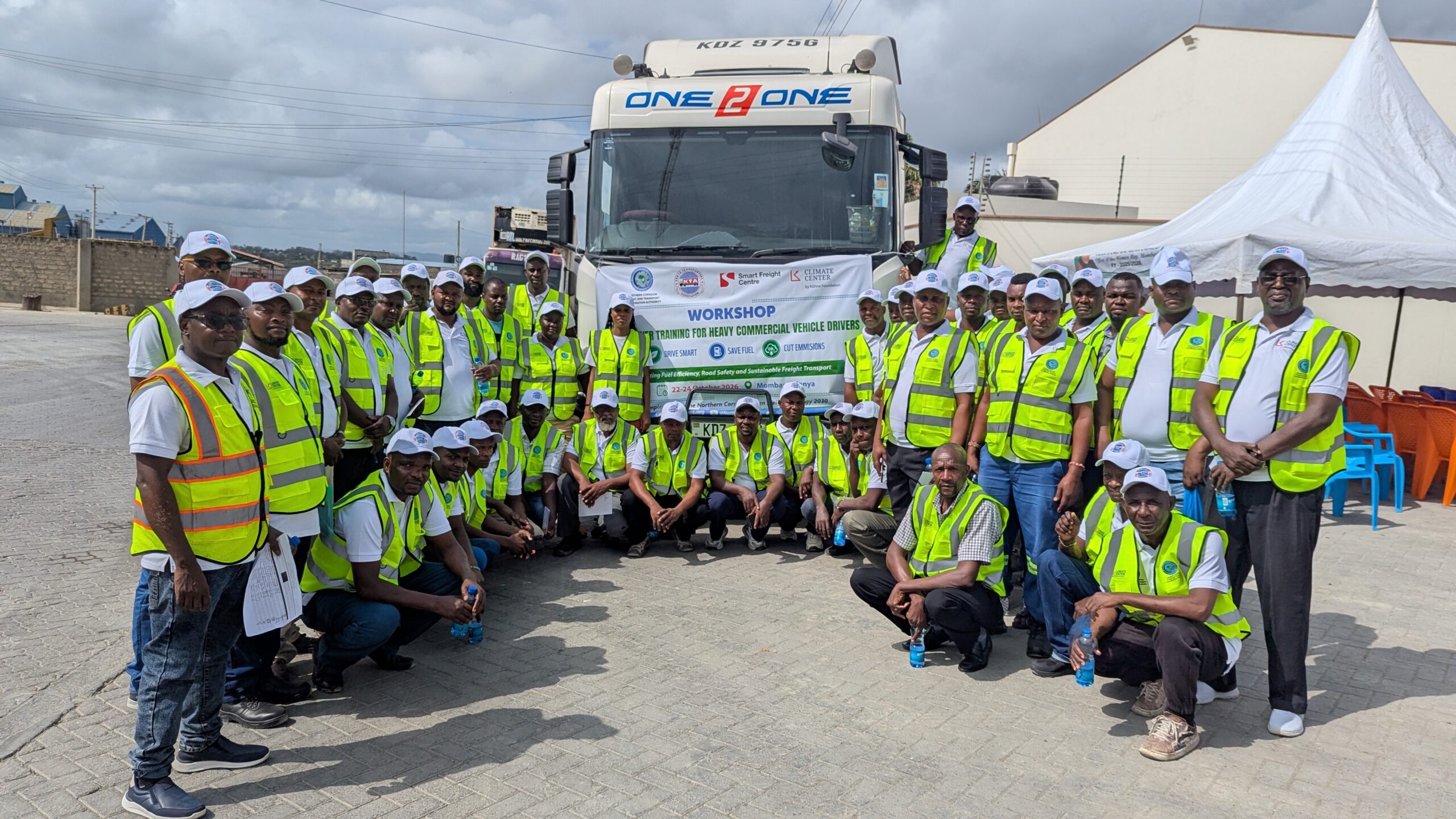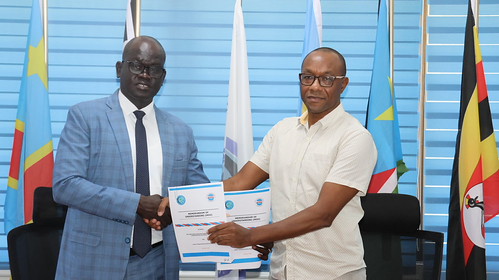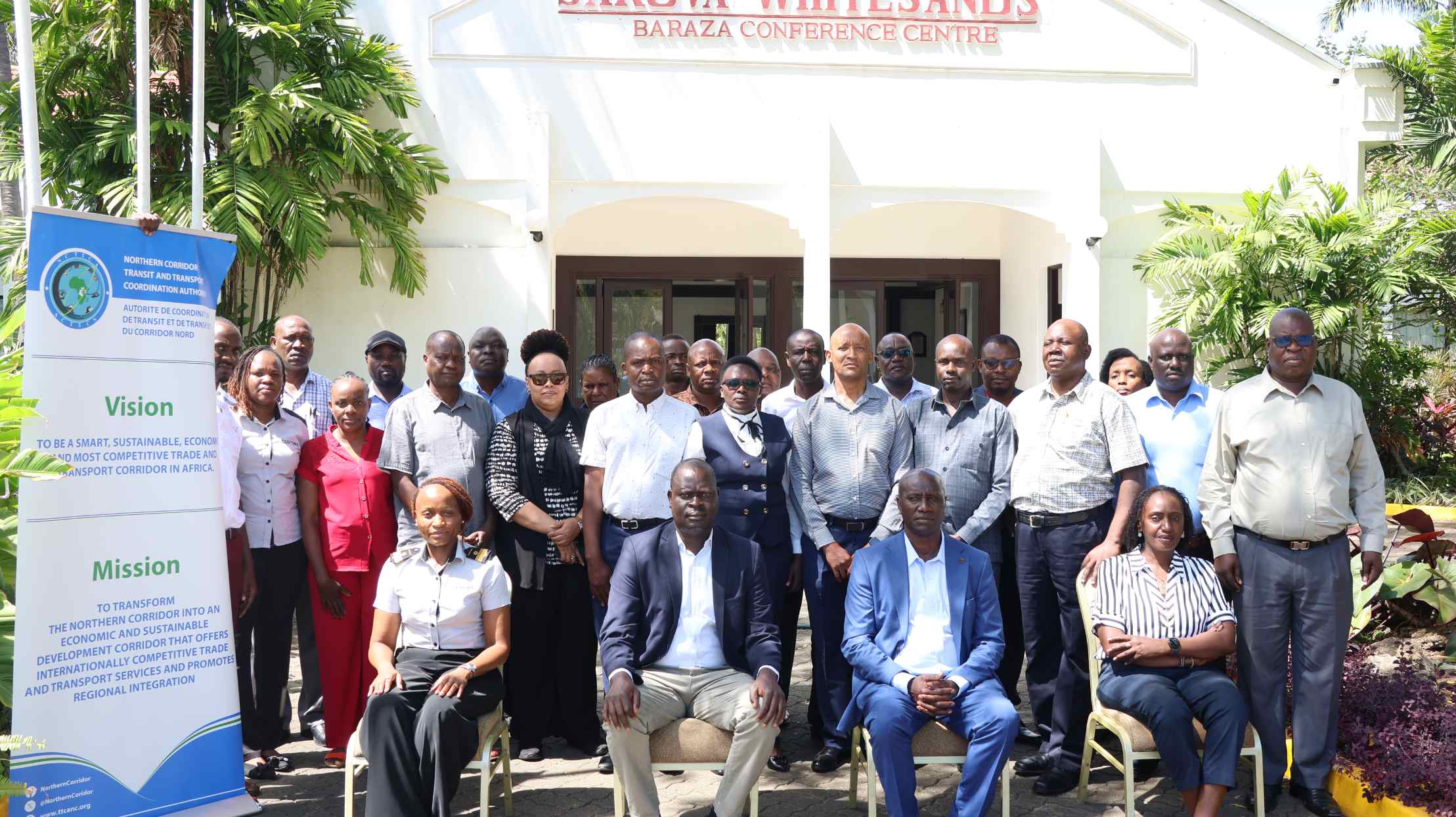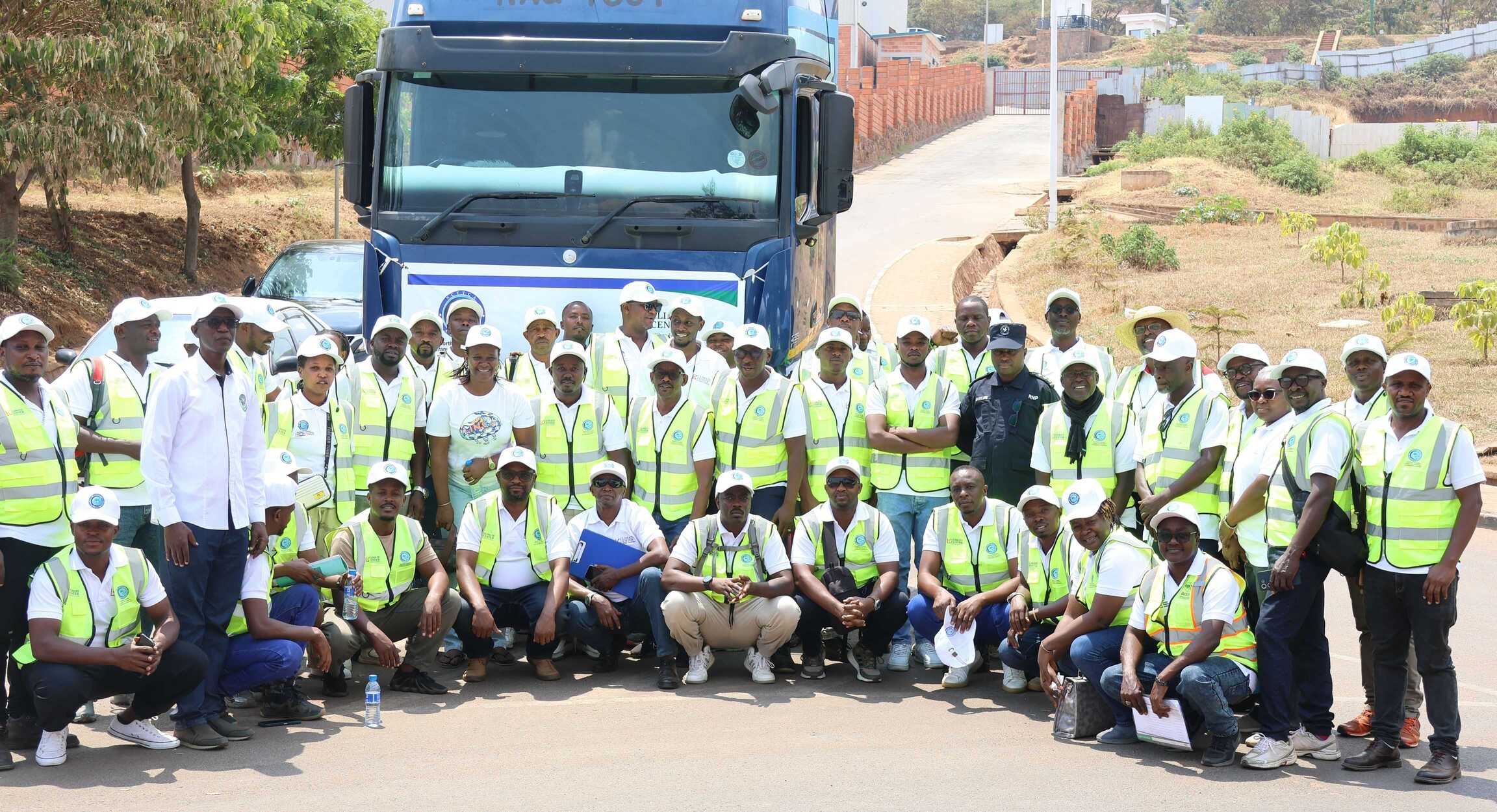

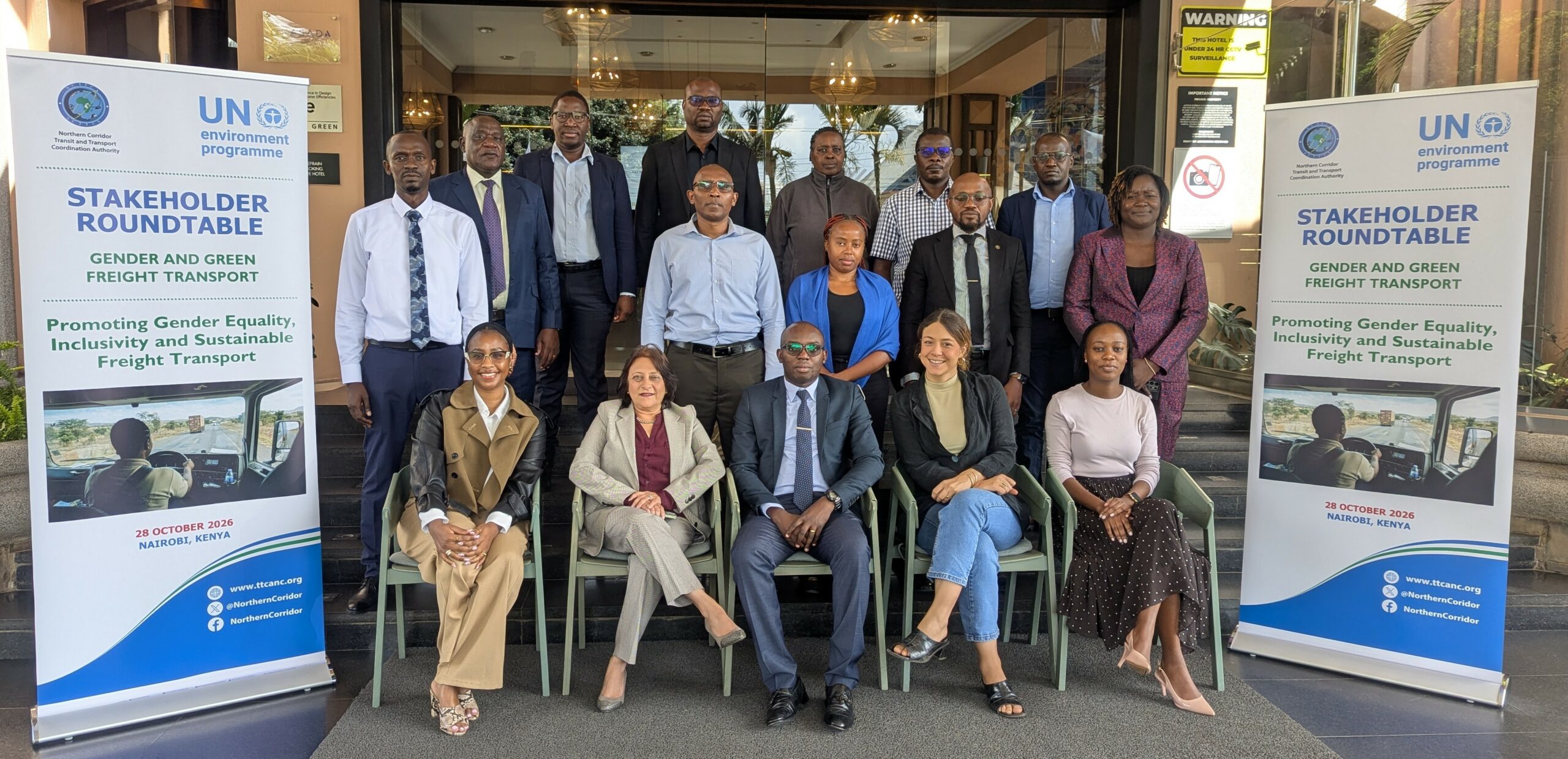
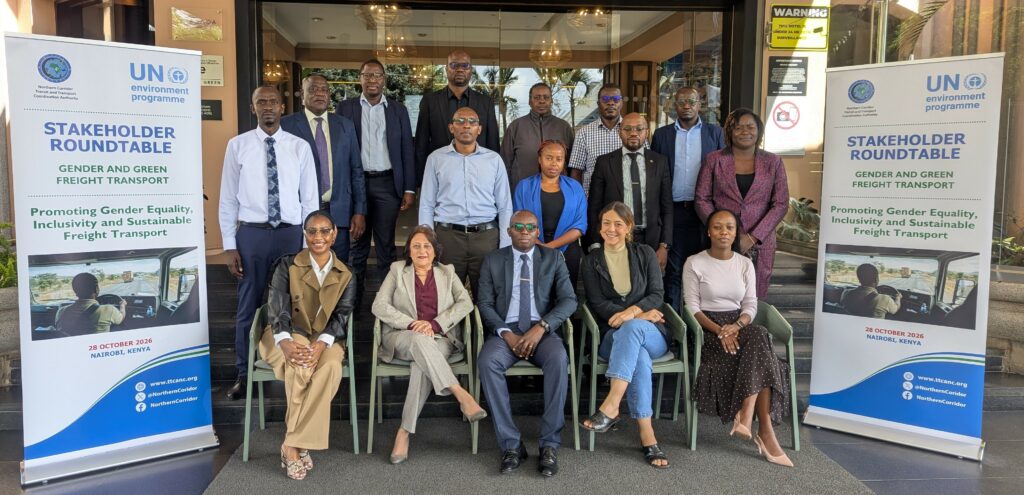
Kampala, Uganda & Nairobi, Kenya | 26–28 October 2026 — The Northern Corridor Transit and Transport Coordination Authority (NCTTCA), in collaboration with the United Nations Environment Programme (UNEP), convened National Stakeholder Roundtables on Gender and Green Freight Transport in Kampala, Uganda, on 26 October and Nairobi, Kenya, on 28 October 2026. The engagements aimed to promote women’s participation and leadership in the freight and logistics sector while accelerating the transition towards greener, safer and more inclusive transport systems along the Northern Corridor.
The roundtables brought together representatives from government institutions, development partners, private sector organisations and other key stakeholders to examine gender-related challenges in freight transport and identify practical interventions to strengthen women’s economic participation in the sector. The engagements form part of broader efforts to advance sustainable freight transport in line with the Northern Corridor Green Freight Strategy 2030, while ensuring that the transition to low-carbon logistics creates equitable opportunities for women across the transport value chain.
Strengthening Women’s Participation in Green Freight Transport
During the Kampala roundtable, stakeholders explored opportunities to enhance women’s participation in freight transport, particularly in areas traditionally dominated by men, including freight operations, logistics management and transport-related entrepreneurship. Discussions focused on addressing barriers such as limited access to technical skills, financing, technology, employment opportunities and leadership positions. Participants also examined the importance of developing safer and more gender-responsive freight infrastructure and facilities to create an enabling environment for women working in the sector.
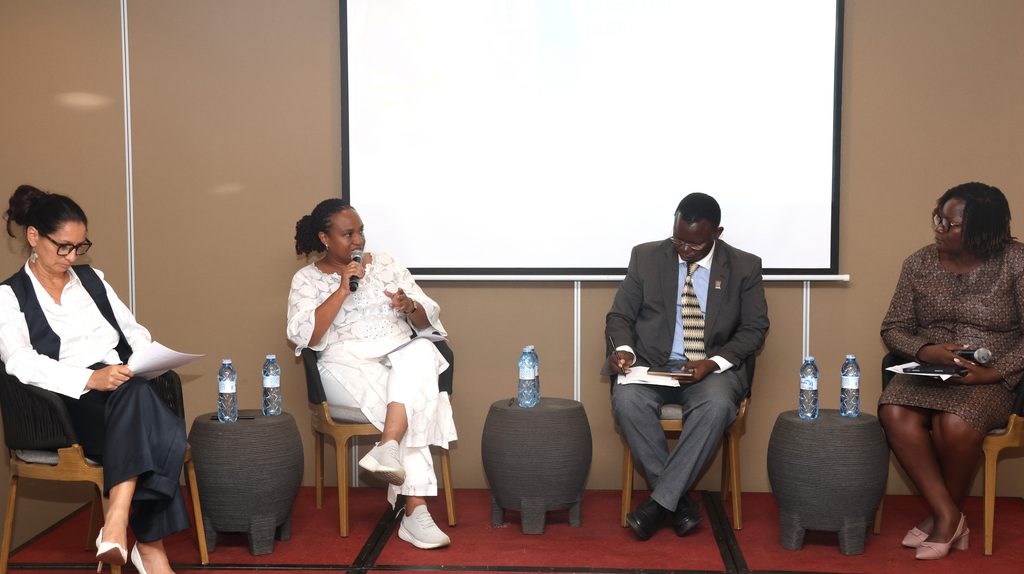
Building on the discussions in Kampala, the Nairobi roundtable provided a platform for more detailed deliberations on practical measures to promote gender equality and women’s empowerment in the transition towards environmentally sustainable freight transport.
Delivering opening remarks on behalf of the NCTTCA Executive Secretary, the Director of Transport Policy and Planning, Eng. Emmanuel Imaniranzi, emphasised that the transition towards greener freight transport must extend beyond reducing emissions to ensuring that women benefit from emerging economic opportunities. He highlighted the Northern Corridor Green Freight Strategy 2030 as an important regional framework for improving fuel efficiency, reducing greenhouse gas emissions and promoting sustainable logistics, while underscoring the need for gender-responsive policies, targeted investments and stronger partnerships to address existing inequalities in the sector.

In her remarks, Ms. Ariadne Baskin, UNEP Representative, highlighted the importance of ensuring that the transition to cleaner and more efficient freight transport is inclusive, particularly by expanding women’s access to skills development, employment, entrepreneurship and emerging opportunities within the green transport economy.
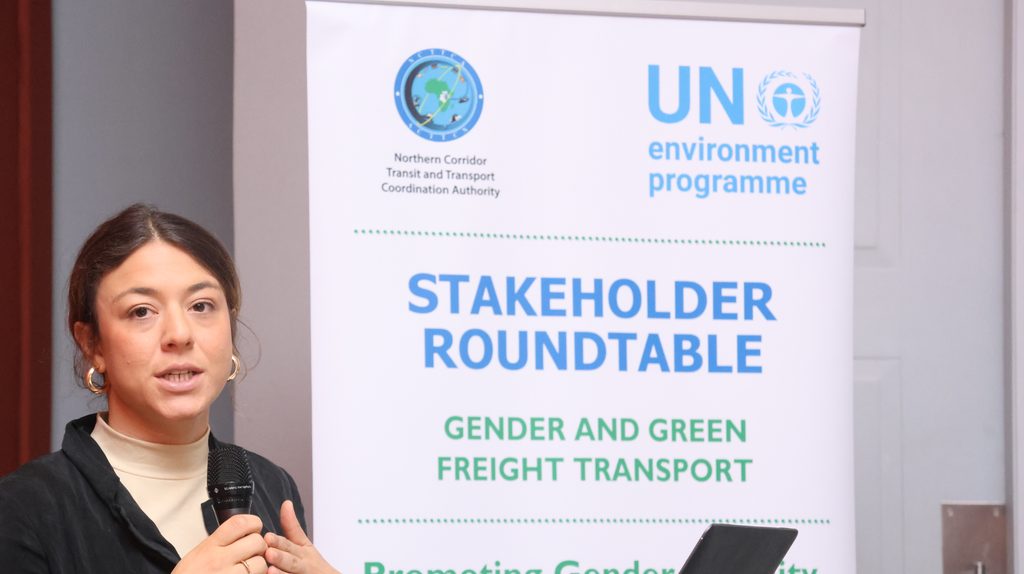
Promoting Gender-Responsive Freight Infrastructure and Economic Opportunities
The Nairobi roundtable featured two panel discussions examining women’s participation and leadership across the freight transport value chain, as well as the development of safe, accessible and gender-responsive freight facilities. Participants discussed challenges related to access to finance, technology, professional skills, workplace safety and working conditions that continue to limit women’s participation in freight and logistics.
Particular attention was given to the need to improve infrastructure and facilities, including truck parks, roadside stations, border posts and warehouses, to better accommodate the needs of women working in or accessing freight transport services. The discussions also highlighted the importance of strengthening institutional support, promoting entrepreneurship, expanding training opportunities and encouraging greater representation of women in decision-making positions across the transport and logistics sector.
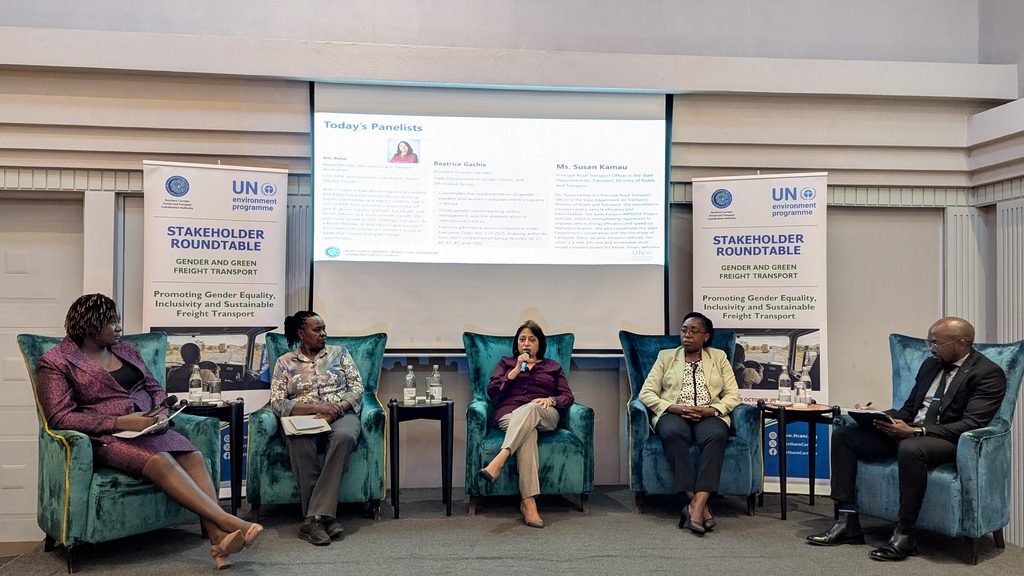
During the afternoon session, participants examined barriers and enabling factors affecting women’s participation, identified priority interventions for gender-responsive green freight transport over the next three years, and explored opportunities for partnerships, institutional commitments and implementation arrangements.
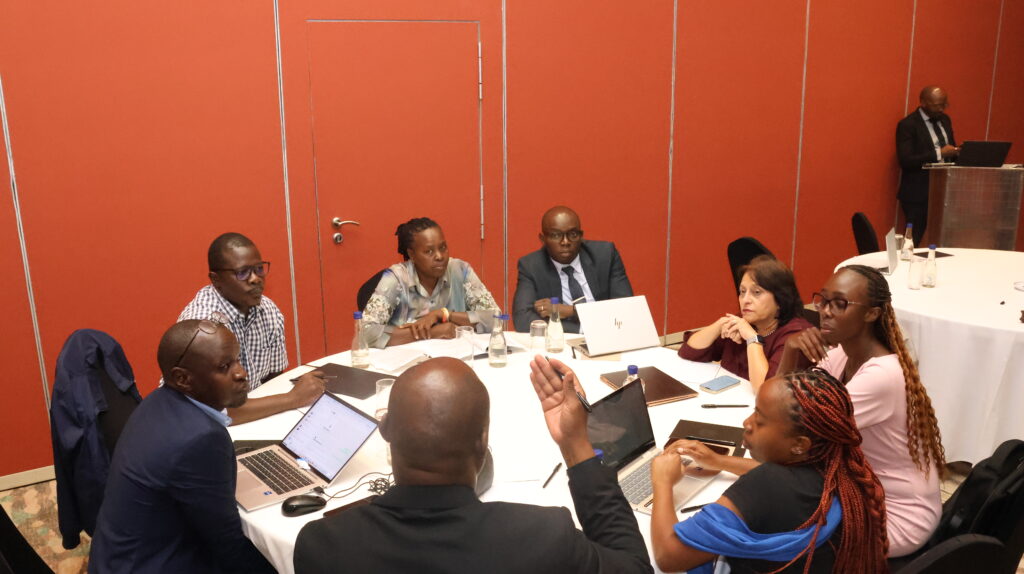
Advancing the Northern Corridor Green Freight Strategy 2030
The two national engagements contribute to the implementation of the Northern Corridor Green Freight Strategy 2030, which seeks to improve freight transport efficiency while reducing its environmental footprint. The Strategy targets a 10% improvement in freight fuel efficiency, a 10% reduction in carbon dioxide (CO₂) emissions intensity and a 12% reduction in harmful air pollutant emissions by 2030.
Integrating gender considerations into the implementation of the Strategy is essential to ensuring that the transition towards cleaner freight transport also supports inclusive economic growth, decent employment opportunities and equitable participation in the transport sector. The outcomes of the roundtables are expected to contribute to the Gender and Green Freight Baseline Audit, providing evidence to inform gender-responsive policies, targeted investments and strategic partnerships across the Northern Corridor Member States.
Towards a Greener, Safer and More Inclusive Northern Corridor
The engagements in Uganda and Kenya reaffirm the commitment of NCTTCA and UNEP to promoting an inclusive transition towards sustainable freight transport through stakeholder collaboration, capacity development and evidence-based interventions. By bringing together public and private sector stakeholders, the roundtables provided an opportunity to identify shared challenges, exchange experiences and explore practical measures to strengthen women’s participation in the freight and logistics industry.
NCTTCA remains committed to working with its Member States (Burundi, the Democratic Republic of the Congo, Kenya, Rwanda, South Sudan and Uganda) and development partners to advance a transport system that is environmentally sustainable, economically competitive and socially inclusive.
Through continued collaboration and the implementation of the Northern Corridor Green Freight Strategy 2030, the Authority seeks to ensure that the transition towards greener freight transport delivers opportunities and benefits for all, including women, across the Northern Corridor.
Julien Astrida Nkurikiyinka.