
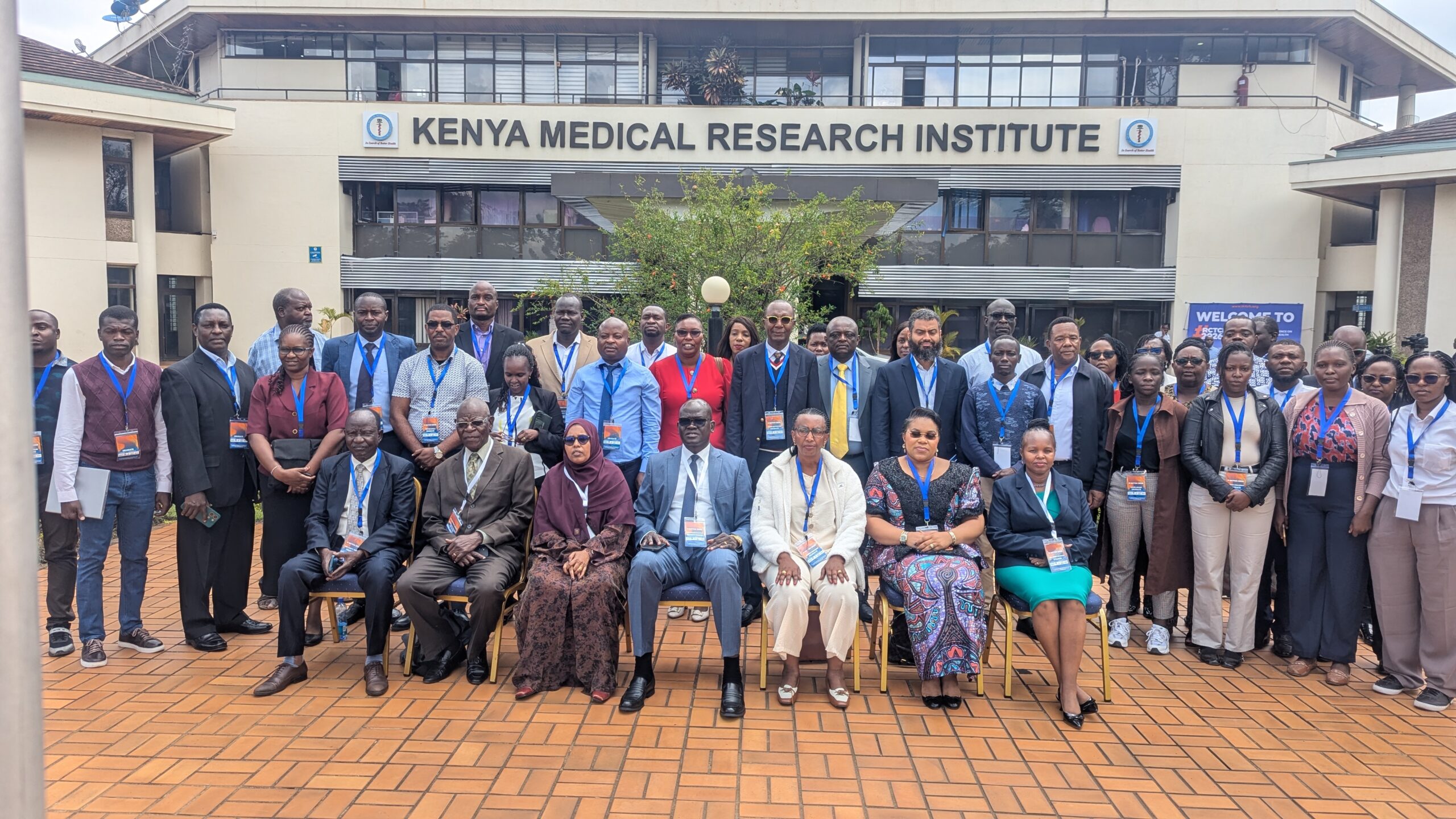
The Northern Corridor Transit and Transport Coordination Authority (NCTTCA), in partnership with North Star Alliance, convened the 3rd Regional Conference on Transport Corridors and Health from 23rd to 25th November 2026 in Nairobi, Kenya, under the theme “Investing in Healthy, Economically Viable, and Sustainable Transport Corridors.”
The three-day conference brought together government representatives, regional institutions, development partners, health experts, and transport stakeholders to deliberate on sustainable approaches to improving the health and well-being of transport workers and communities along transport corridors.

Recognizing the critical role of transport corridors in facilitating regional trade, economic growth, and integration, the conference underscored the importance of placing health and human well-being at the centre of transport development and sustainability.
Speaking during the opening session, NCTTCA Executive Secretary, Dr. John Deng Diar Diing, emphasized that the efficiency of transport corridors extends beyond infrastructure development, trade facilitation, and the reduction of transport costs. He noted that healthy transport workers, safe working conditions, and equitable access to essential healthcare services are equally fundamental to the performance and sustainability of transport corridors.

The Executive Secretary reaffirmed NCTTCA’s commitment to integrating health considerations into regional transport planning, mobilizing resources for corridor health infrastructure, strengthening policy and institutional frameworks, and promoting road safety across its six Member States: Burundi, the Democratic Republic of Congo, Kenya, Rwanda, South Sudan, and Uganda.
Through its strategic partnership with North Star Alliance, NCTTCA continues to champion initiatives aimed at addressing healthcare challenges along the Northern Corridor. These include the establishment and expansion of roadside wellness facilities designed to improve access to essential healthcare services for long-distance truck drivers and corridor communities.
The conference also provided a platform for stakeholders to exchange experiences and best practices, strengthen multisectoral collaboration, explore investment opportunities, and identify practical interventions to address health challenges within the transport sector.

By bringing together stakeholders from the transport, health, and development sectors, the conference sought to translate regional commitments into concrete actions that support healthier, safer, economically viable, and environmentally sustainable transport corridors.
NCTTCA remains committed to fostering strategic partnerships and advancing a holistic approach to corridor development that recognizes health and human well-being as essential pillars of regional trade, transport efficiency, and sustainable economic development.